As an everyday athlete, you know the drill: hard workouts, long rides, intense runs, or grueling races.
But what happens after your workout is just as important as the sweat session itself.
Recovery is when your body rebuilds, restores, and gets stronger.
And while rest is key, nutrition is a game-changer when it comes to speeding up recovery and keeping you on track toward your goals.
Let’s dive into how you can fuel your body right to recover faster and perform better, without the guesswork!
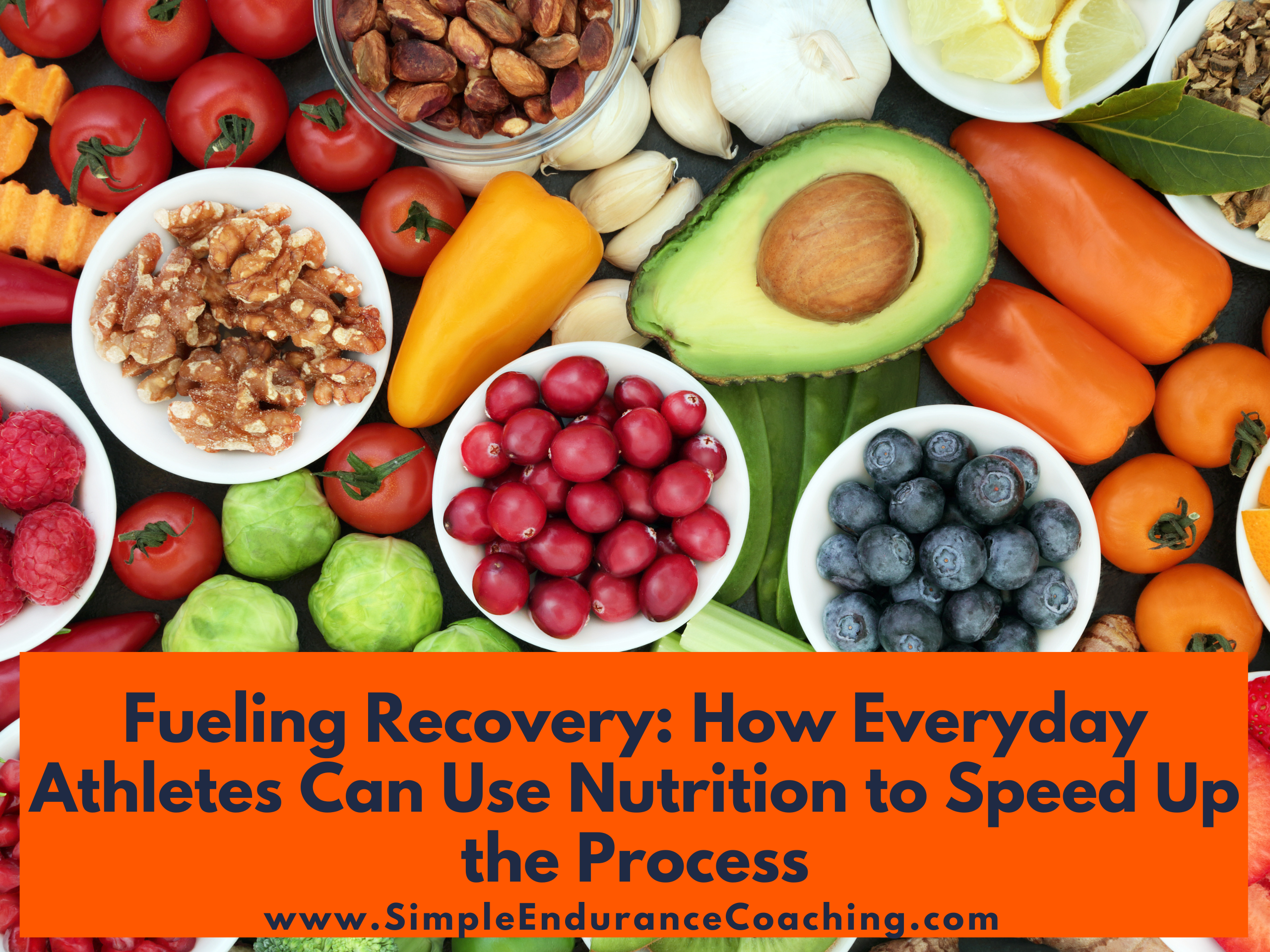
1. The Role of Macronutrients in Recovery
Macronutrients – protein, carbohydrates, and fats – are the building blocks your body needs to function, and each one plays a crucial role in recovery.
After a tough workout, your body needs protein to repair muscles, and carbs to restore your energy reserves.
For everyday athletes like us, understanding how to balance these nutrients can mean the difference between bouncing back quickly or dragging through the next workout.
2. Protein: The Building Block for Muscle Repair
Protein is the superhero of recovery.
After exercise, your muscles experience tiny tears that need to be repaired, and amino acids from protein are what your body uses to do that.
Without enough protein, you’ll feel more soreness, and it’ll take longer for you to recover.
Good protein sources are easy to find-think lean meats like chicken or turkey, fish, eggs, or if you’re plant-based, tofu, lentils, or quinoa.
Aim to include protein in every meal, especially after a workout, to get the muscle recovery process going.
3. Carbohydrates: Restoring Glycogen for Energy
Ever felt like you’ve hit a wall after a hard session?
That’s because your body’s glycogen stores – its primary energy source – have been drained.
This is where carbohydrates come in.
Post-workout, your body is most receptive to absorbing carbs, which helps quickly refill those glycogen stores and get your energy back on track.
Aiming to eat a carb-rich snack or meal within 30 minutes of finishing your workout is a great way to speed up recovery.
Grab something like fruit, oatmeal, or even a rice dish to give your body what it needs.
4. Electrolytes: Balancing Hydration and Recovery
If you’re sweating buckets during a long run or bike ride, you’re losing more than just water-you’re also losing electrolytes, such as sodium, potassium, and magnesium.
These are vital for muscle function and preventing cramps.
Replenishing your electrolytes is crucial to maintain proper hydration levels and help your muscles recover.
You don’t need fancy supplements to do this.
Sometimes a glass of coconut water, a sports drink, or even a salty snack can do the trick.
Pay attention to how much you’re sweating and adjust your electrolyte intake accordingly.
5. Hydration: Why Water is the Foundation of Recovery
When it comes to hydration, drinking water is key, but staying on top of it can be harder than it seems.
After workouts, dehydration can sneak up on you, leading to fatigue, muscle cramping, and a slower recovery process.
It’s important to drink water not just during exercise but also throughout the day.
Consider using a hydration app or setting reminders to drink enough.
For most athletes, sipping water regularly is enough, but if you’re doing long or intense workouts, you may need to combine it with electrolytes to fully recover.
6. The Power of Antioxidants: Reducing Inflammation
After a tough workout, your body undergoes stress that can cause inflammation.
This is where antioxidants come in, helping your body fight off oxidative stress and speed up the healing process.
Antioxidants are found in all sorts of whole foods – berries, leafy greens, nuts, and seeds are packed with them.
Making sure you have a variety of colorful fruits and vegetables in your diet helps your body bounce back faster and keeps inflammation at bay, which is especially important for recovery after hard workouts.
7. Fats: Supporting Recovery Without Slowing It Down
While protein and carbs tend to get all the attention, don’t forget about healthy fats.
They’re essential for reducing inflammation and supporting your body’s ability to absorb important vitamins.
Think healthy fats like avocados, olive oil, and nuts-they offer anti-inflammatory properties without bogging you down.
Incorporating some healthy fats into your post-workout meal can enhance your recovery and keep your body feeling good for the long haul.
8. Timing is Everything: When to Eat for Optimal Recovery
The “recovery window” is the 30-60 minutes after exercise when your body is primed to absorb nutrients.
During this time, consuming a combination of protein and carbohydrates can significantly enhance muscle repair and glycogen replenishment.
Next time you finish a workout, have something ready to eat, whether it’s a protein shake, a sandwich, or a smoothie.
This will help you maximize your recovery and get back to your next session feeling strong.
9. Common Mistakes: What to Avoid in Recovery Nutrition
We’ve all been there-skipping post-workout nutrition, reaching for processed recovery snacks, or not drinking enough water.
These mistakes can derail your recovery efforts.
Instead, focus on real, whole foods, staying hydrated, and avoiding the temptation to grab ultra-processed foods that might not give your body what it needs.
Remember, recovery is all about balance.
There’s no one-size-fits-all, but a mix of protein, carbs, healthy fats, and hydration can get you back on track faster.
10. Bringing It All Together: A Sample Recovery Plan
To wrap it up, here’s a simple example of what a recovery meal might look like:
- Protein: Grilled chicken or plant-based protein (tofu, tempeh)
- Carbs: Brown rice, sweet potatoes, or a whole grain wrap
- Electrolytes: Add a pinch of salt to your post-workout snack, or include some watermelon or coconut water
- Antioxidants: Throw in some leafy greens or berries for dessert
This type of meal helps hit all the key nutrients for recovery and is easy to prepare ahead of time.
Three things to know about recovery nutrition
- Get a balanced diet of carbohydrates, fats, and protein.
- Make sure you get roughly a gram per pound of bodyweight in protein.
- Time your meals and snacks for optimal recovery.
Need more?
Unlock the secrets to mastering gravel racing with our FREE Guide to Gravel Racing! Get yours here.
BOOK A CALL so we can discuss your goals, answer questions, and talk about making your endurance training more effective, fun, and Simple.
Paul Warloski is a:
- USA Cycling Level 1 Advanced Certified Coach
- RRCA Running Coach
- Training Peaks Level 2 Coach
- RYT-200 Yoga Instructor
- Certified Personal Trainer
- Certified Nutrition Advisor