The Morning Training Dilemma: Fasted vs. Fueled Performance Explained
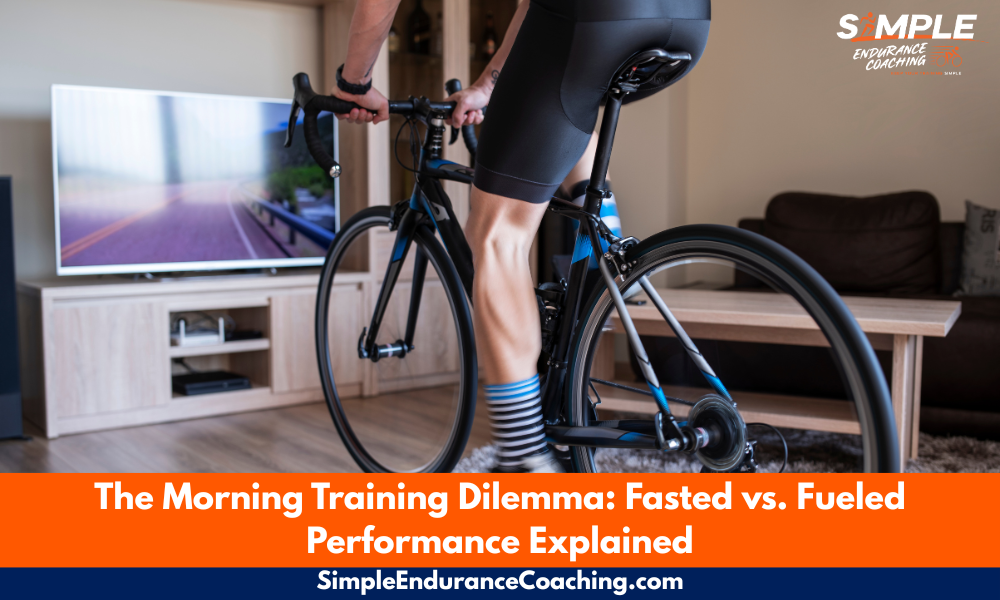
by Coach Paul Warloski Early morning training can be a beautiful thing—the roads are quiet, the air is crisp, and you can knock out your workout before the day gets crazy. But should you eat first? How long can you ride or run fasted before performance suffers? Is training empty really making you faster? The […]
Race-Week Fueling: How to Eat During Your Taper for Peak Performance

by Coach Paul Warloski You’ve reduced your training volume to freshen up before your A event, whether it’s cyclocross, gravel bike race, or a trail run. Now match it with smart nutrition during your taper. During the seven to 14 days before your A-priority race, the goal isn’t to eat less; it’s to arrive topped […]
When Your Gut Rebels on the Run: Why GI Distress Happens—and What You Can Do About It

by Coach Nicole Ford Here are Three Things to Know About GI Distress During Running 1. GI distress is common and multifactorialUp to half of endurance runners experience GI symptoms, especially in long ultramarathons. Causes include reduced gut blood flow, heat stress, mechanical jostling, and certain fueling or hydration strategies. 2. Training the gut is […]
How to Hydrate Before a Race: Finding the Right Balance

by Coach Anja Lanser Hydration can make or break an athlete’s performance on race day. But while many athletes focus on avoiding dehydration, it’s possible to go too far in the other direction — overhydrating, which can harm performance just as much. Understanding how much water and electrolytes your body really needs is key to […]
How Often Should You Eat During a Long Bike Race?

When you’re racing or riding for hours, keeping your energy steady is critical. Most cyclists know they should eat and drink on the bike—but the real question is: how often should you fuel? Every 20 minutes or every hour? Research gives us some clear answers – sort of. The bottom line is that it seems […]
Fuel for the Work Required: A Periodized Nutrition Approach for Everyday Endurance Athletes

Training is periodized for a reason—you manipulate load, intensity, and recovery to maximize adaptation. Your nutrition or fueling should work the same way. “Fuel for the work required” means aligning energy and carbohydrate availability with the demands and goals of each training session. This approach improves training quality, supports targeted adaptation, and manages recovery, without […]
Time-Restricted Eating for Menopausal Endurance Athletes: Benefits, Risks, and Practical Tips

One of my endurance athletes, a woman in her 50s, recently asked me about Time-Restricted Eating (TRE)—also known as intermittent fasting—and whether it’s a good idea for menopausal women. Many people try TRE to lose weight, but emerging studies suggest that fasting may also positively affect metabolic health, hormonal function, and fat oxidation. However, for […]
Why Am I Gaining Belly Fat Even Though I’m Training? What Masters Cyclists Need to Know

You ride four or five days a week. You train for gravel races or cyclocross, complete your intervals, and put in long endurance rides on the weekends. But when you look in the mirror, you notice something frustrating: you’re gaining belly fat, or at least not losing it. How can you train so much and […]
How to Fuel, Warm Up, and Recover Between Two Cyclocross Races in One Day

For many cyclocross racers—especially juniors, masters, or those chasing series points—doing two races in one day can be part of the experience. Whether it’s a back-to-back doubleheader or a morning and afternoon event, racing twice in a day presents unique physical and mental challenges. So, how do you prepare, fuel, and recover to optimize both […]
Train for the Heat: How Everyday Endurance Athletes Can Adapt and Perform in Hot Conditions

by Coach Paul Warloski As summer races heat up, so should your training—literally. Whether you’re a runner grinding out tempo miles or a cyclist pushing through long rides, training in hot conditions can feel like a slog. But if you’re not adapted to the heat, it’s more than just uncomfortable—it can be dangerous and performance-limiting. […]