by Coach Anthony James
Mountain bikepacking is a unique blend of endurance, exploration, and self-reliance.
Whether you’re heading out for a weekend overnighter or tackling a week-long trail corridor, success lies in the details.
From route planning and gear selection to understanding the nuances between MTB and gravel overnighters, here’s some tips to help you roll out with confidence.
 How to Plan a Multi-Day MTB Ride: Logistics, Packing, and Navigation
Planning a multi-day mountain bikepacking trip starts with understanding your route and your limits.
Choose a trail that matches your fitness level and technical skills, and break it into manageable daily segments.
Consider elevation gain, terrain type, and weather patterns.
Identify water sources, resupply points, and legal camping areas.
Apps like Gaia GPS, Komoot, and Ride with GPS are invaluable for route planning and offline navigation.
Packing efficiently is key.
Every item should serve a purpose and be as lightweight as possible.
Prioritize multi-use gear and test your setup before the trip.
Your bike should be tuned and trail-ready, with tires suited to the terrain and a drivetrain that can handle long climbs and heavy loads.
Essential gear checklist:
- Sleep system: lightweight tent, bivy, or hammock with sleeping bag and pad
- Cooking setup: compact stove, fuel, pot, utensils, and food
- Hydration: water bottles or bladder, plus a filter or purification tablets
- Tools and spares: multitool, spare tubes, patch kit, pump, chain links
- Clothing: moisture-wicking layers, rain gear, gloves, and warm layers
- Navigation: GPS device, smartphone with offline maps, and paper map backup
Don’t forget to leave a trip plan with someone you trust and check local regulations for camping and fire restrictions.
A well-prepared ride is not only safer but far more enjoyable.
Using Long-Distance Trail Corridors: Bikepacking vs MTB Singletrack
Long-distance trail corridors like the Colorado Trail, Arizona Trail, or the Great Divide Mountain Bike Route offer epic backcountry experiences.
These routes are designed for endurance and connectivity, often combining gravel roads, doubletrack, and occasional singletrack.
They’re ideal for bikepacking setups that emphasize comfort, efficiency, and self-sufficiency over technical prowess.
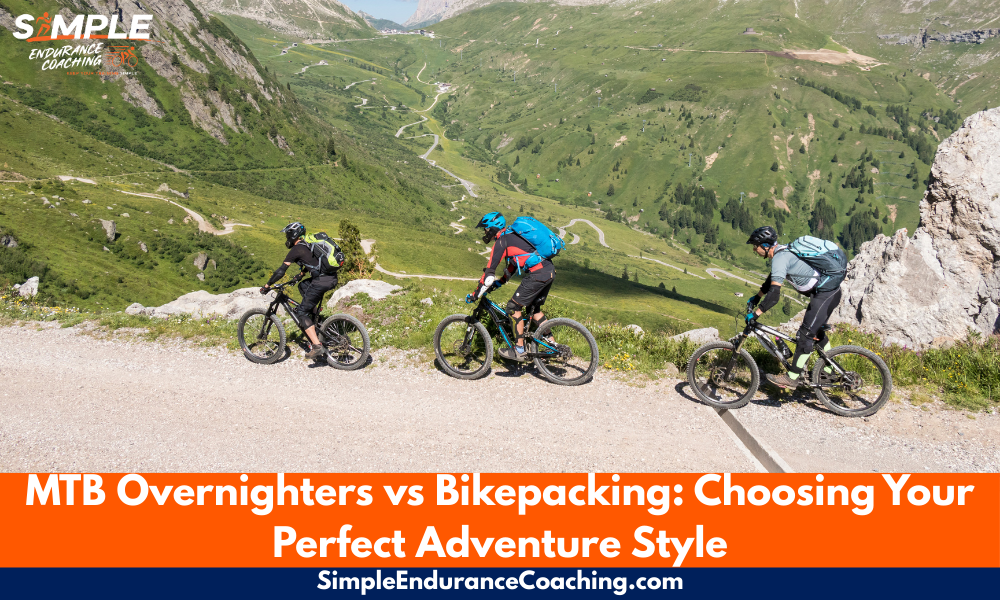
In contrast, pure MTB singletrack overnighters are all about the ride quality—tight turns, rock gardens, flow trails, and technical descents.
These routes are typically shorter in distance but more demanding in skill.
Riders often use full-suspension bikes and pack lighter, focusing on agility and trail performance.
Key differences to consider:
- Trail surface: Corridors = mixed terrain; Singletrack = technical MTB trails
- Bike setup: Corridors = hardtail or rigid with frame bags; Singletrack = full-suspension with minimal gear
- Pacing: Corridors = steady, long days; Singletrack = shorter, more intense rides
- Navigation: Corridors = route-based; Singletrack = loop or out-and-back
When planning with long-distance corridors, research trail conditions, seasonal closures, and resupply logistics.
Some routes pass through remote areas with limited access to food or water, so careful planning is essential.
Trail associations often provide GPX files, resupply guides, and forums for up-to-date info.
MTB Overnighters vs Gravel or Backcountry Overnighters
MTB-style overnighters are typically short, punchy adventures focused on fun and flow.
These rides often start and end at the same trailhead, with a night spent deep in the woods or on a ridgeline.
Riders pack light—just enough for a night out—and prioritize trail performance.
The goal is to ride hard, camp simply, and return with a smile.
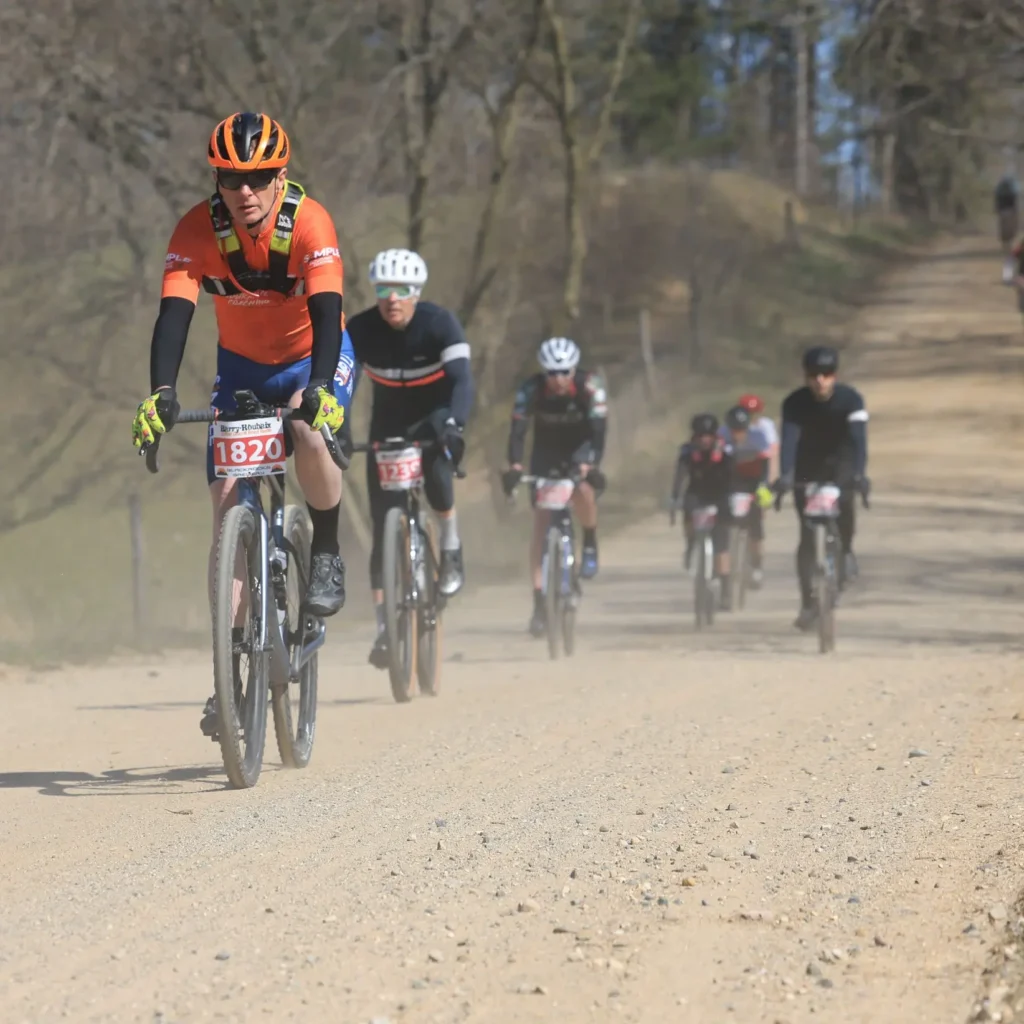
Gravel or backcountry overnighters, on the other hand, are about covering ground efficiently.
These rides often follow forest roads, fire trails, or mixed-surface routes, allowing for longer distances and smoother pacing.
Riders may carry more gear for comfort, including larger sleep systems or cooking setups, and often plan for multi-day loops or point-to-point routes.
Comparing the two styles:
- MTB Overnighters:
- Focus on technical terrain and trail fun
- Lightweight, minimalist gear
- Often looped or out-and-back routes
- Gravel/Backcountry Overnighters:
- Emphasize distance and exploration
- More gear for comfort and range
- Often follow established corridors or scenic byways
Choosing between the two depends on your goals.
Want to test your skills and sleep under the stars after a gnarly descent?
Go MTB.
Craving solitude, big views, and long miles?
Gravel might be your jam.
Either way, the adventure is yours to shape.
Three Things You Should Know About Mountain Bike Trip Planning
1. Successful multi-day MTB adventures depend on meticulous preparation—plan routes that match your fitness level, test your gear setup beforehand, and always pack with purpose while leaving detailed trip plans with trusted contacts.
2. Different adventure styles require fundamentally different approaches: trail corridors favor steady endurance over mixed terrain with hardtails and frame bags, while MTB singletrack demands technical skills, agility, and minimalist loads on full-suspension bikes.
3. Your adventure choice should align with your goals—choose MTB overnighters when you want to test technical skills and sleep under stars after challenging descents, or opt for gravel/backcountry routes when seeking solitude, big views, and long-mile exploration.
Need More?
Coach Anthony James is a USA-Cycling Level 3 coach based in Arkansas.
He specializes in mountain bike training and skills work. He can be reached at [email protected].